EMBÊR

EMBÊR #2192-1

Our Environmental Mission

Interactive Farm To Table Map

Hover over each part of our process to learn more.

calamansi

Also known as the Philippine lime, our calamansi is sourced from our own hydroponic farms, based in New York City. Following the guidance of farmers from the Zamboanga Peninsula in the Philippines, we perform sustainable practices like proper waste management of peels and pulp. This way of proper waste management effectively prevents greenhouse gases which they may produce.

coconut-tree

Our coconut trees offer coconuts during the New York's summer, which lies between July and September. These occasional coconuts make for delicious desserts which Embêr features seasonally.
compost chicken

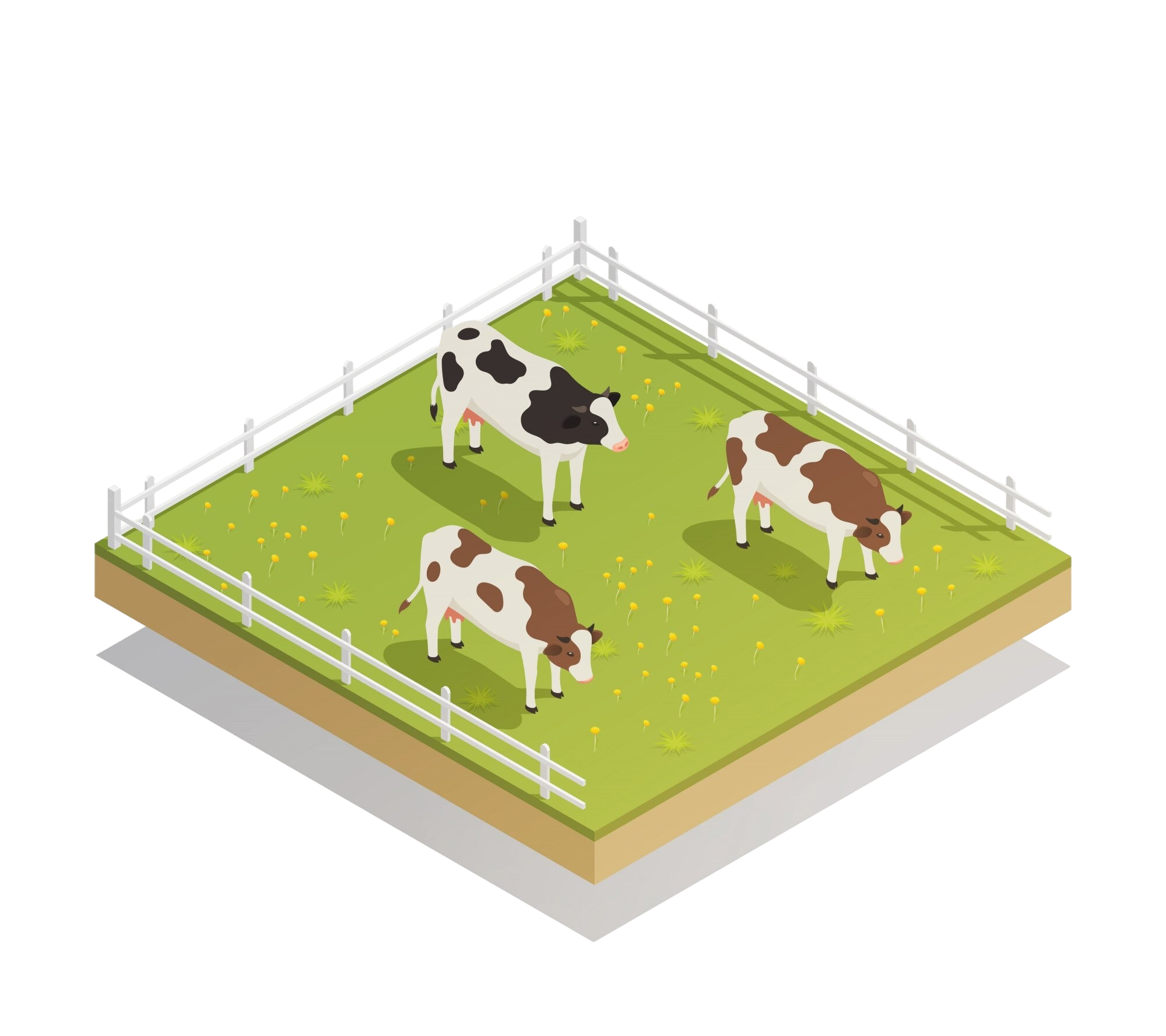
Our milk is sourced from local cattle that are treated with the utmost care and respect, as they are considered sacred in Indian traditions. The cows live in the local grazelands of upstate New York, minimizing travel costs and our carbon footprint. Our ethical approach to dairy farming ensures healthy and stress-free cows that produce milk of the highest quality.

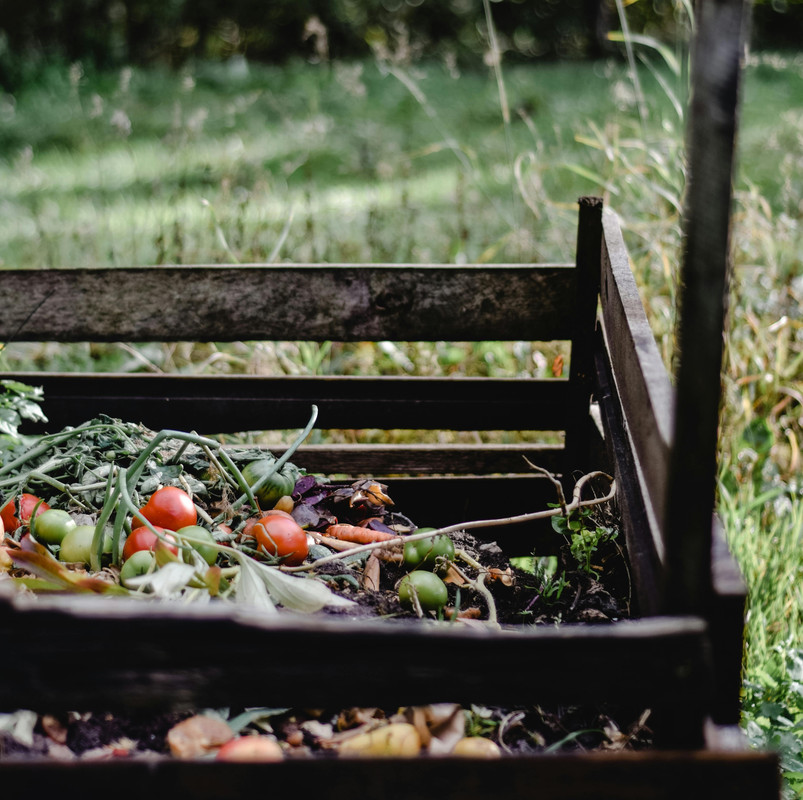
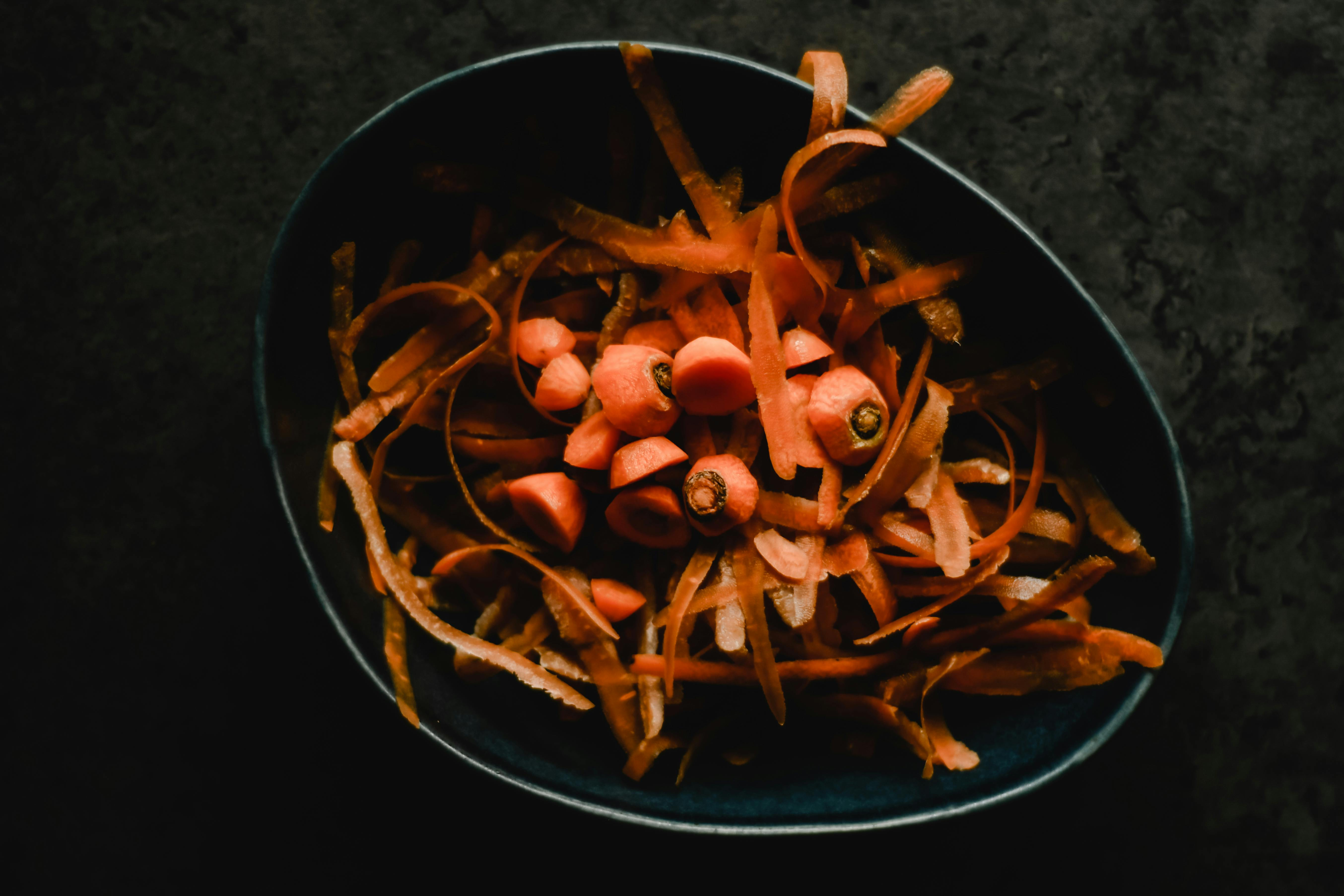
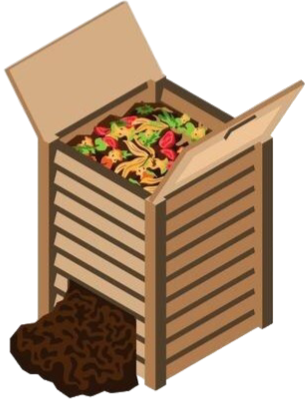
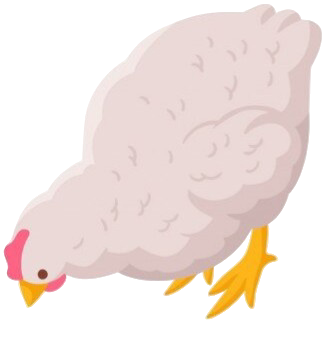
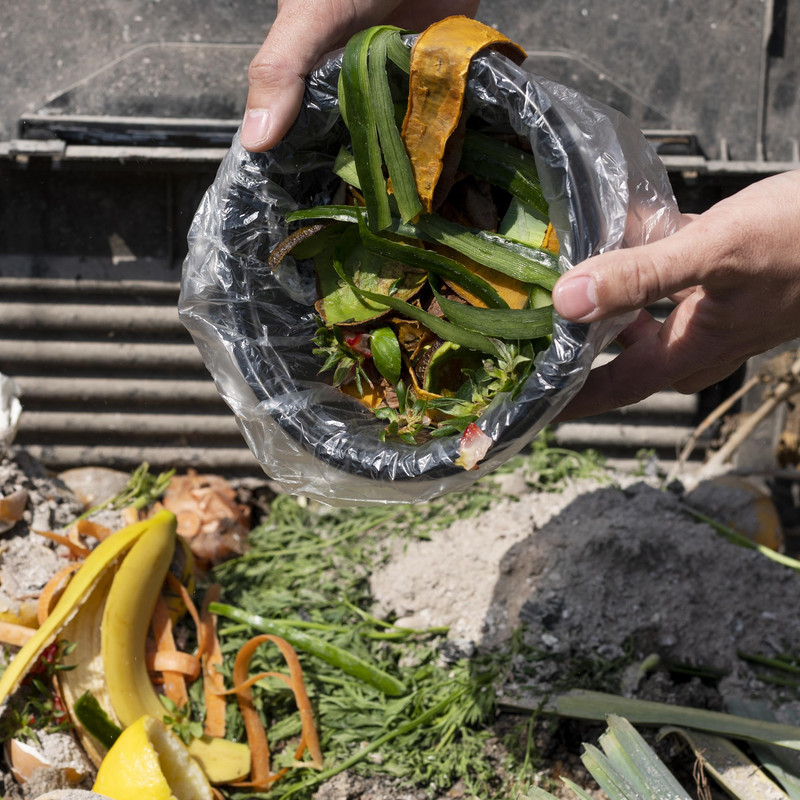
Composted produce scraps from our restaurant help to keep our pastures fresh and healthy. A perfect environment for our cows, chickens, calamansi trees, and palm trees to thrive.

To prioritize the quality of our eggs and the welfare of our chickens, the chickens have free range in addition to coops on our pastures.
1. Our Pastures:

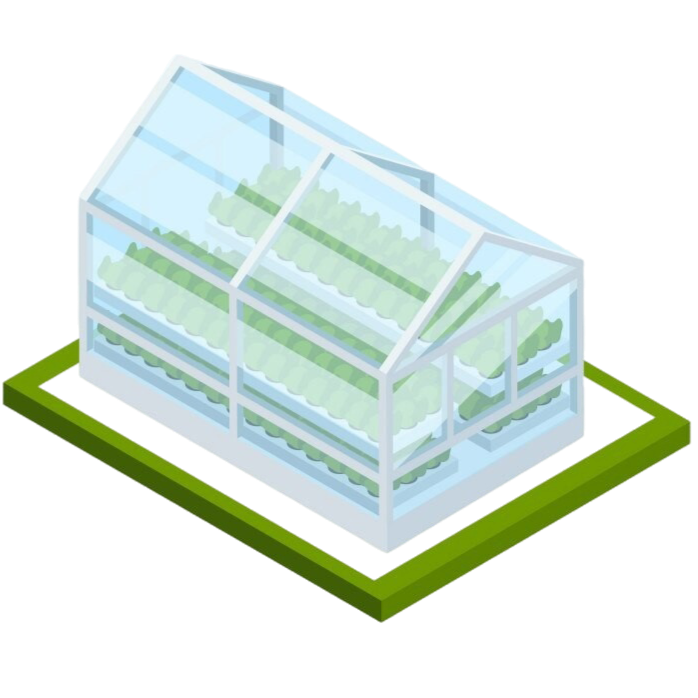
Our farm, located in upstate New York just 30 miles from the city, is a self-sustaining system where we grow our fresh produce and raise our animals. The healthy cows graze freely on open pastures, allowing them to move naturally and live comfortably. This type of grazing also helps the environment by spreading manure across the land, adding nutrients to the soil. It supports stronger plant growth, helps soil microbes thrive, and even stores more carbon in the ground, making the land healthier. Our farm also includes pastures for raising hens, with clean coops and outdoor areas for foraging. This setup helps maintain healthy chickens and better-quality eggs while allowing us to naturally manage food scraps. In addition to our pasture space, we grow a variety of fruit trees in climate-controlled greenhouses, which allow us to harvest year-round. During the warmer months, our tropical greenhouse supports calamansi trees and coconut trees, which are used in many of our desserts and signature dishes.

watering greenhouse veggies

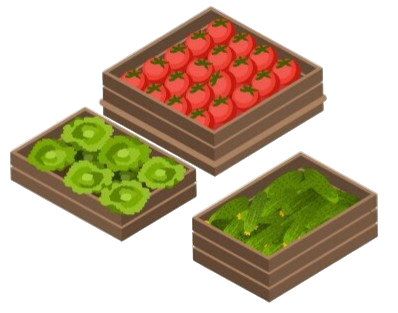
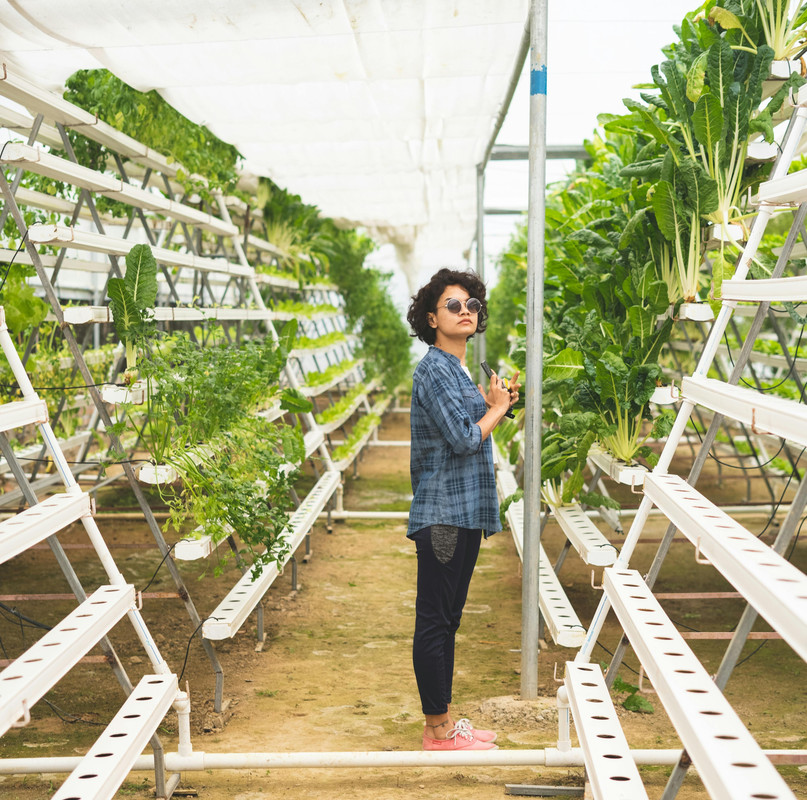
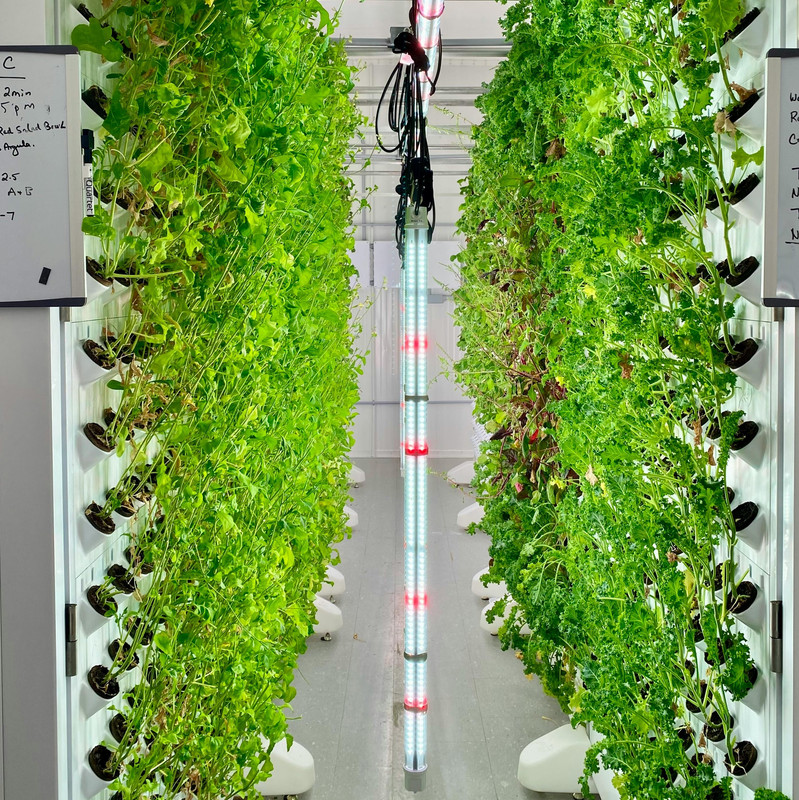
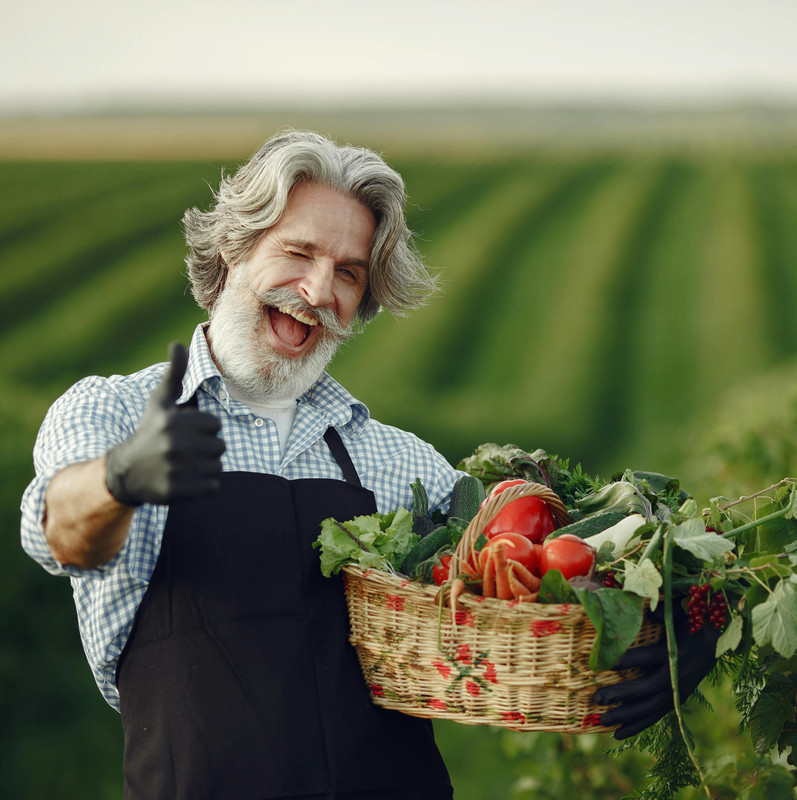
Our greenhouses with hydroponic technology serve as a microbiome of Asia, including ingredients from East, Southeast, and South Asia. The freshness paired with the sustainability of our food growth creates an ecosystem that makes your mouth water.

2. Innovative Growth:

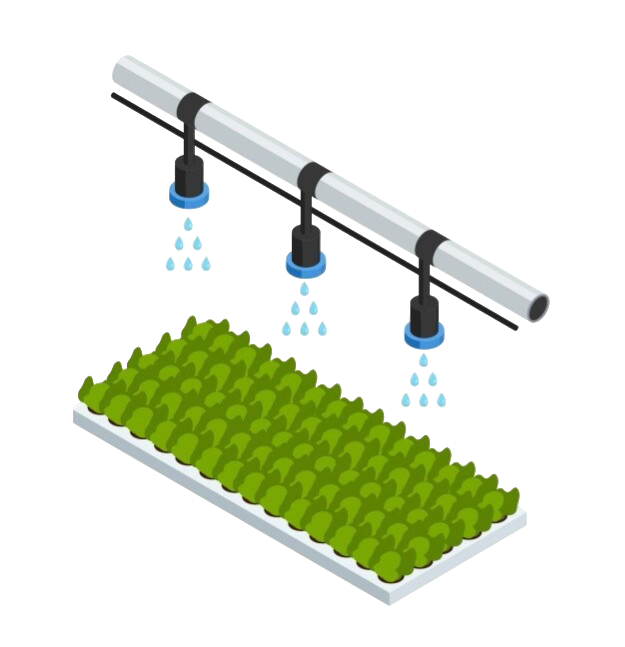
Our farm uses advanced hydroponic systems and greenhouses to grow fresh produce efficiently and sustainably. By using vertical hydroponic technology, we reduce land use by up to 99% and water use by 98% compared to traditional farming methods. Hydroponics doesn’t rely on soil, so it avoids problems like erosion, tilling, and nutrient runoff. Our enclosed greenhouses also protect nearby land by keeping pests out, eliminating the need for chemical pesticides and harmful runoff. Besides keeping pests out, our crops are also shielded from unpredictable weather and contamination, giving us a consistent year-round harvest. Hydroponic technology also improves our consistency by establishing a controlled environment where we can monitor our plants and deliver them a carefully balanced mix of nutrients—like nitrogen, phosphorus, and calcium—directly through he water. This leads to faster growth and higher crop yields, 240 times greater than traditional farming, while also reducing waste from spoilage, runoff, and overuse of inputs.

restaurant truck

Our farm's proximity to our restaurant reduces our CO2 emissions from transportation and removes the need for long distance shipping. It also allows us to serve our customers the freshest food without the need for long term preservation.

chef

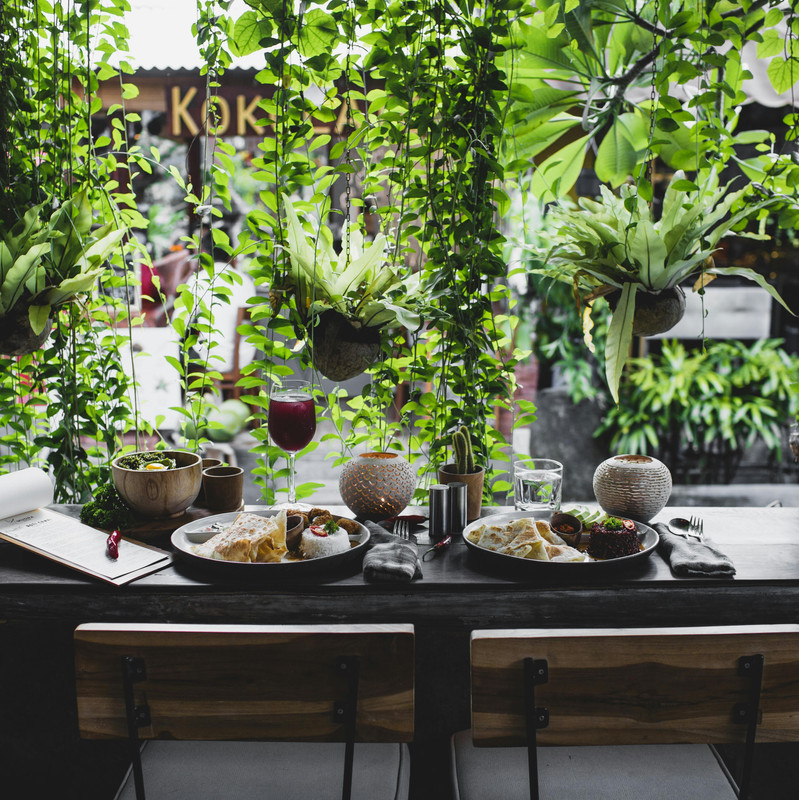
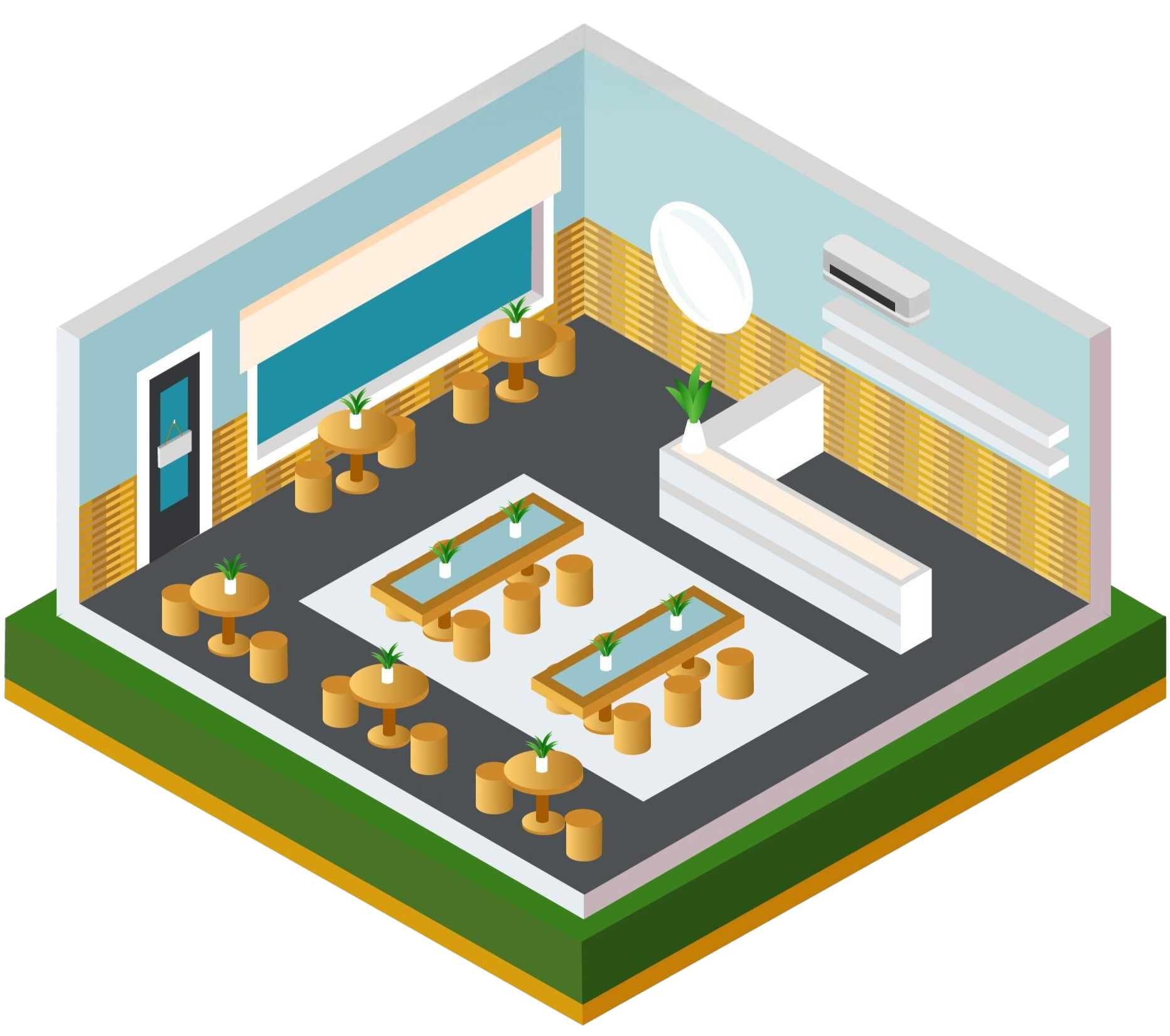
Our sustainability practices go beyond just our pastures and hydroponics. Our workers compost all food scraps, which helps eliminate waste in our restaurant. They also use reusable cutlery and green cooking appliances to lower our carbon footprint.
3. Our Restaurant:

Agriculture and the food supply chain contribute between 21% and 37% of global CO₂ emissions. By sourcing our ingredients directly from a farm located just 30 miles away, we significantly reduce the need for long-distance transportation. This helps us minimize fuel consumption, packaging waste, and refrigeration needs. We are also able to serve our customers fresh food that does not depend on energy-intensive preservation methods. Our staff also actively works to minimize food waste by collecting leftover produce and scraps, which are returned to the farm to be composted. This composting process not only keeps food out of landfills, where it would have released methane—a greenhouse gas over 25 times more potent than carbon dioxide—but also turns waste into something useful for the soil. By closing the loop between our restaurant and farm, we reduce emissions, limit waste, and contribute to a more balanced and environmentally responsible food system.

field greenhouse
restaurant composting arrow arrow arrow

4. The Compost Cycle:

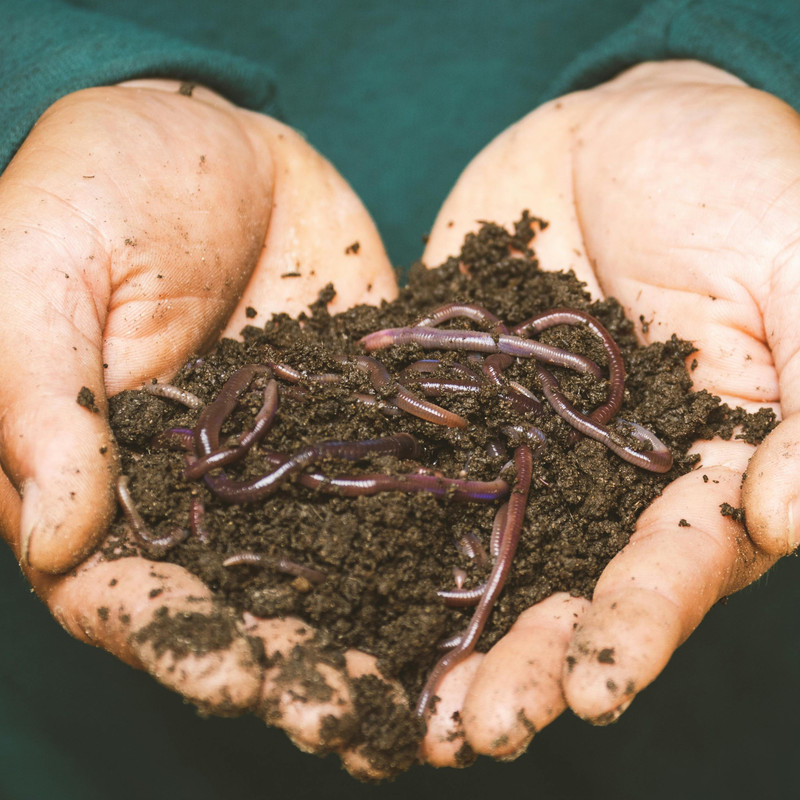
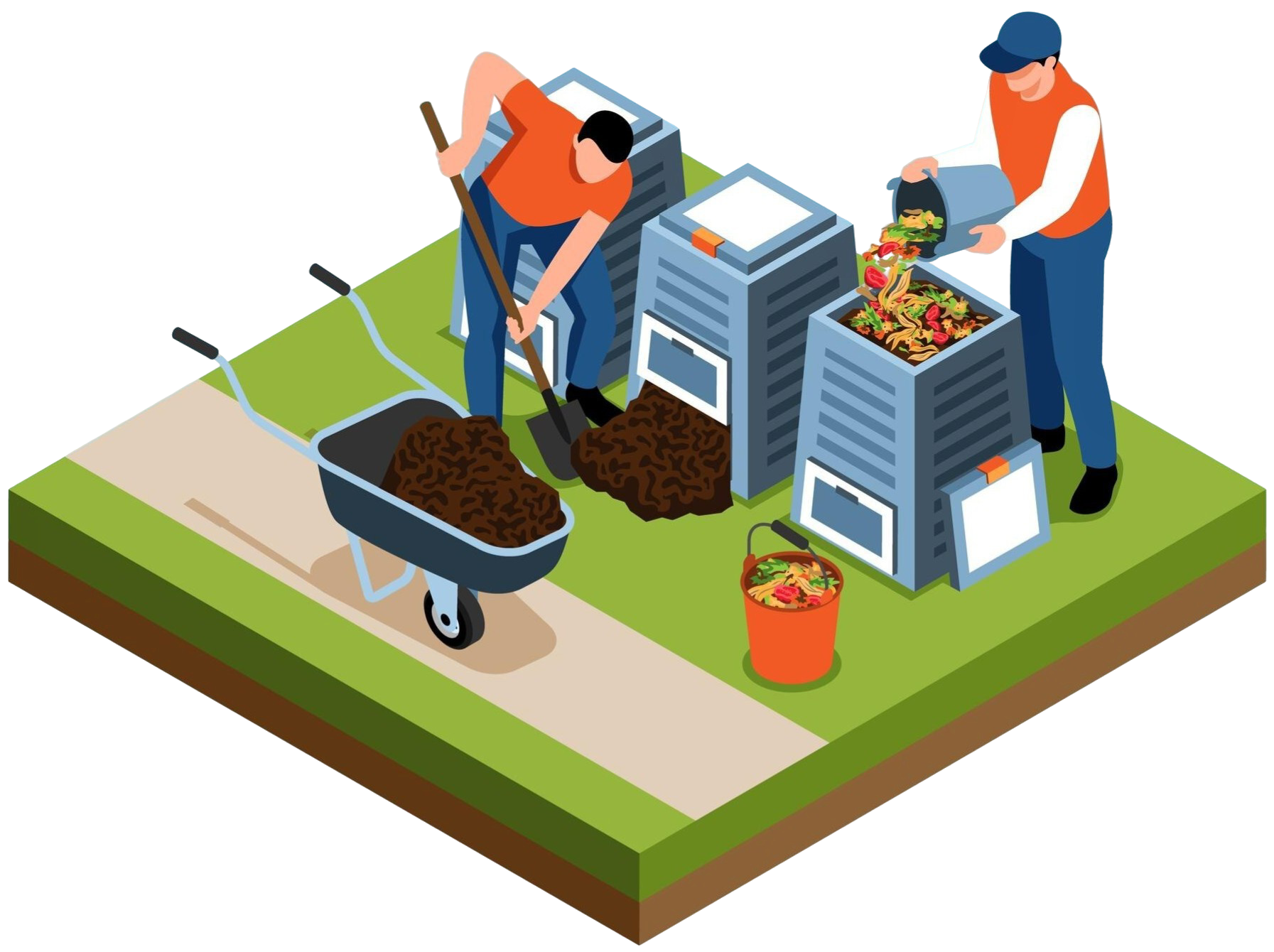
Embêr promotes sustainability. At our restaurant, food waste is collected and separated. Dairy waste is disposed of and vegetable waste is thrown into bins and taken back to our farms. Vegetable waste taken from our restaurant is allowed to decompose over time, becoming compost rich in nutrients. Compost made at our farm is applied to soil used in our farms and greenhouses. The nutrient-rich compost allows us to grow the necessary vegetables needed for our restaurant as well as the crops used to feed our livestock! Staying committed to regenerative farming, we collect organic waste from our restaurant and turn it into compost. This compost is used throughout the farm to support plant growth and improve soil without relying on synthetic fertilizers. By recycling nutrients and keeping outside inputs low, we reduce our environmental impact and create a balanced system where animals, plants, and food waste all work together to support long-term sustainability.

Our Preparation Process

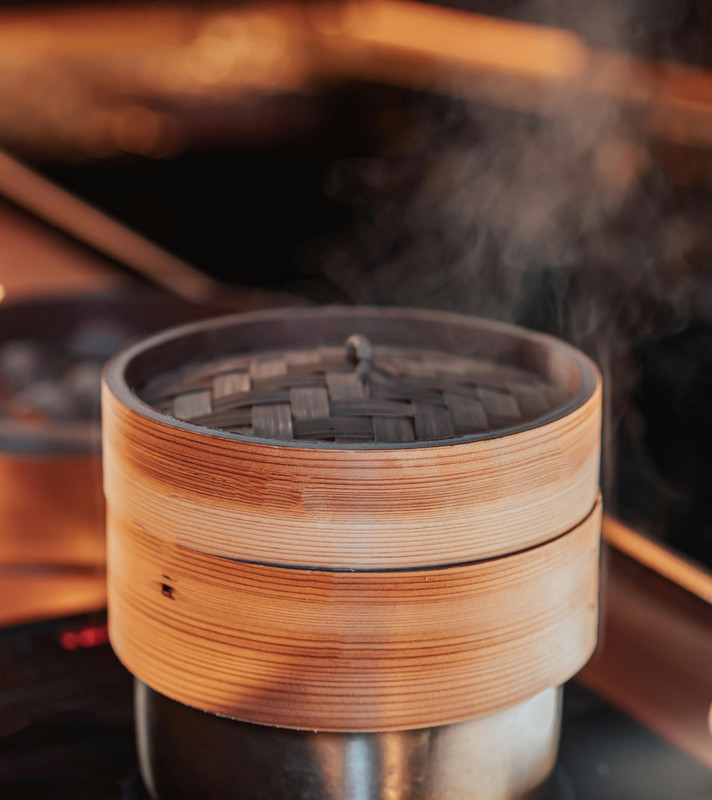
At Ember, we strive to give our customers the best taste, starting with how our food is prepared. While we are a fusion restaurant focused on innovative taste, we still want each dish to embody what came before it. We use traditional cooking techniques and ingredients to ensure that our dishes maintain bits of identity from the cuisines we fuse. For example, woks and grills are utilized for stir-frying. Dumplings and Dim Sum are prepared by hand to ensure quality.

For our cutlery and cooking utensils, everything is reusable. Each item is also hand-washed by our staff, whose goal is always sanitation. As per New York City Regulations, we always follow the necessary sanitary processes to ensure our food does not spread harmful bacteria or diseases. Our equipment, such as woks and pans, is frequently washed. Specific pans are also designated for allergens to ensure we avoid cross-contamination. With food hygiene inspections every 6-12 months by the NYC Health Department, we can guarantee your food is prepared with the highest sanitation standards.